![[STAGING] Cut Plastic Sheeting](https://staging.cutplasticsheeting.co.uk/app/uploads/2020/09/cut-plastic.svg)
Choosing between a polycarbonate greenhouse and a glass greenhouse is a big decision for any gardening enthusiast. Whether you’re growing vegetables, nurturing exotic plants or simply extending your gardening season, the material you choose will affect light transmission, durability, insulation and overall cost. In this guide, we’ll break down the pros and cons of each, so you can find the perfect solution for your garden.
What are the Differences Between Polycarbonate and Glass Greenhouses?
Both glass greenhouses and polycarbonate greenhouses create optimal growing environments, but they differ significantly in material properties and performance:
Glass Greenhouses
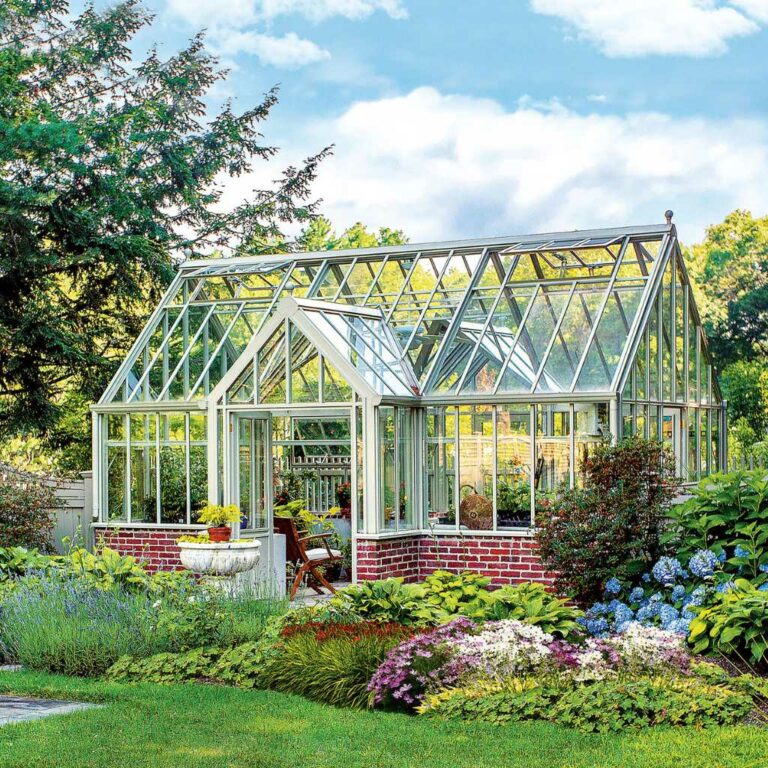
Glass greenhouses have been the traditional choice for decades. Made from either horticultural glass or tempered safety glass, these structures are known for their clarity and classic aesthetic. They allow high levels of natural sunlight to enter, creating a bright, inviting space. However, glass is heavy, more fragile and requires a robust frame and professional installation.
Traditional and attractive
High light transmission (around 90%)
Heavy and more fragile
Requires a strong frame
More expensive to install and maintain
Polycarbonate Greenhouses
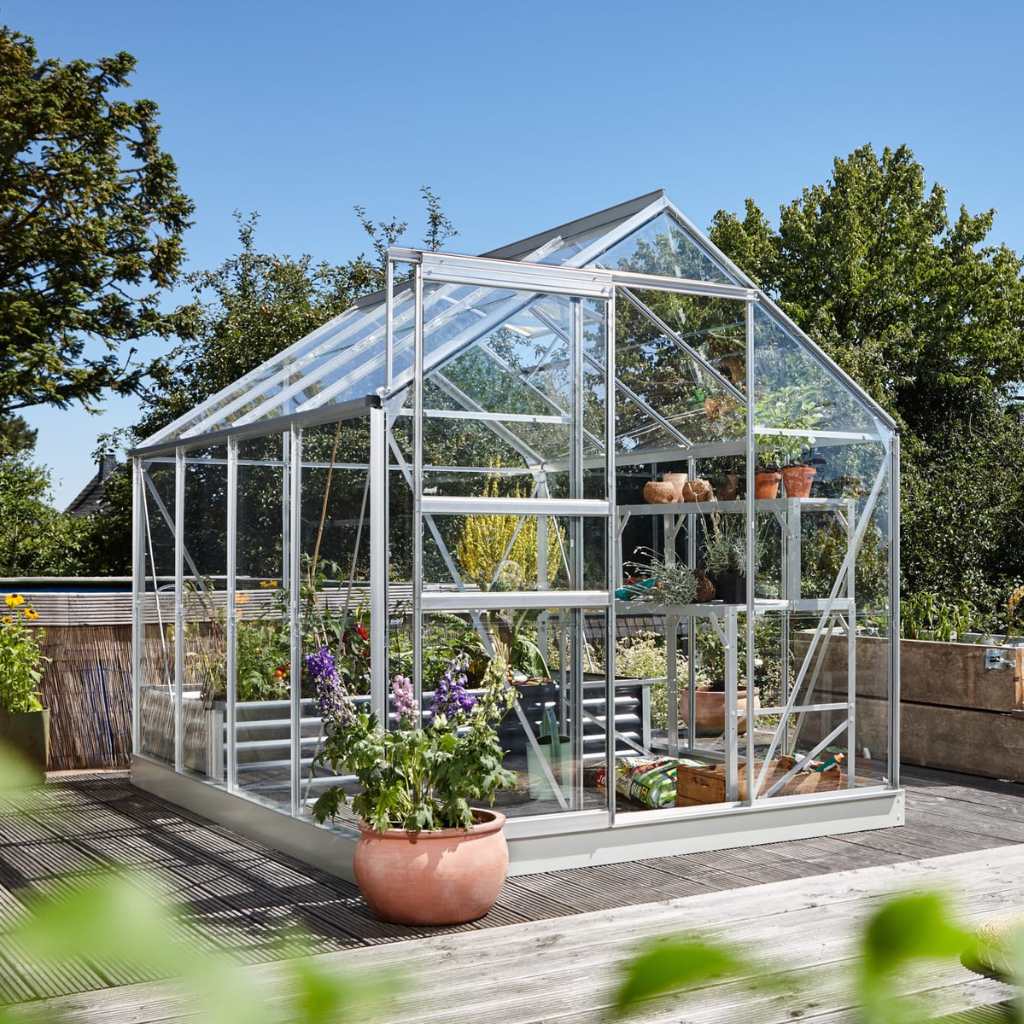
Polycarbonate greenhouses, on the other hand, are made from layered thermoplastic panels, typically twin-wall or multi-wall designs. These panels trap air between layers, enhancing insulation and making them significantly more impact-resistant than glass. They offer a more diffused light, reducing the risk of scorching plants and are much lighter and easier to install.
Typically made from twin-wall or multi-wall polycarbonate sheeting
Diffuses light to reduce hotspots
Durable and impact-resistant
Better thermal insulation
Lightweight and easier to install
Glass
Greenhouses
Glass greenhouses have been the traditional choice for decades. Made from either horticultural glass or tempered safety glass, these structures are known for their clarity and classic aesthetic. They allow high levels of natural sunlight to enter, creating a bright, inviting space. However, glass is heavy, more fragile and requires a robust frame and professional installation.
Traditional and attractive
High light transmission (around 90%)
Heavy and more fragile
Requires a strong frame
More expensive to install and maintain
Polycarbonate Greenhouses
Polycarbonate greenhouses, on the other hand, are made from layered thermoplastic panels, typically twin-wall or multi-wall designs. These panels trap air between layers, enhancing insulation and making them significantly more impact-resistant than glass. They offer a more diffused light, reducing the risk of scorching plants and are much lighter and easier to install.
Made from twin-wall or multi-wall polycarbonate sheeting
Diffuses light to reduce hotspots
Durable and impact-resistant
Better thermal insulation
Lightweight and easier to install
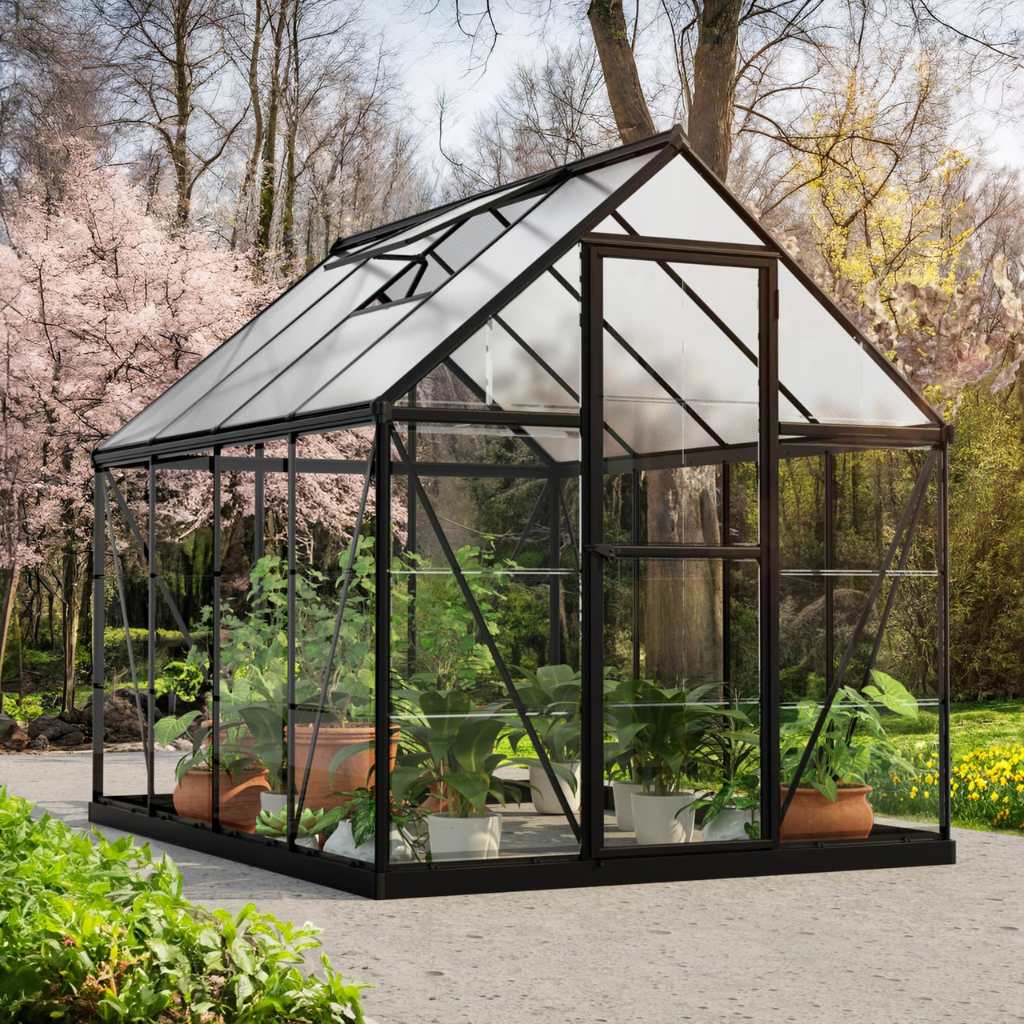
Installation and Maintenance
Ease of installation and ongoing maintenance are important considerations, especially if you’re a DIY gardener or you’re building a custom greenhouse setup.
Glass greenhouses require a strong, reinforced frame to support the heavy panels. Installation is usually best left to professionals due to the weight and fragility of the material. Once installed, glass requires regular cleaning to prevent algae build-up and maintain transparency. Cracks or chips may also necessitate costly replacements.
Polycarbonate sheeting is lightweight and easy to handle, making it ideal for self-build greenhouses or repairs. The sheets can be cut to size and slotted into place with minimal tools. Maintenance is minimal: a simple clean with soapy water keeps them clear, and the UV-protective coatings on most polycarbonate panels prevent yellowing and degradation over time.
Light Transmission and Plant Growth
Light is a vital factor in greenhouse gardening. Plants need sufficient sunlight to photosynthesize and different materials affect how light is delivered inside your greenhouse.
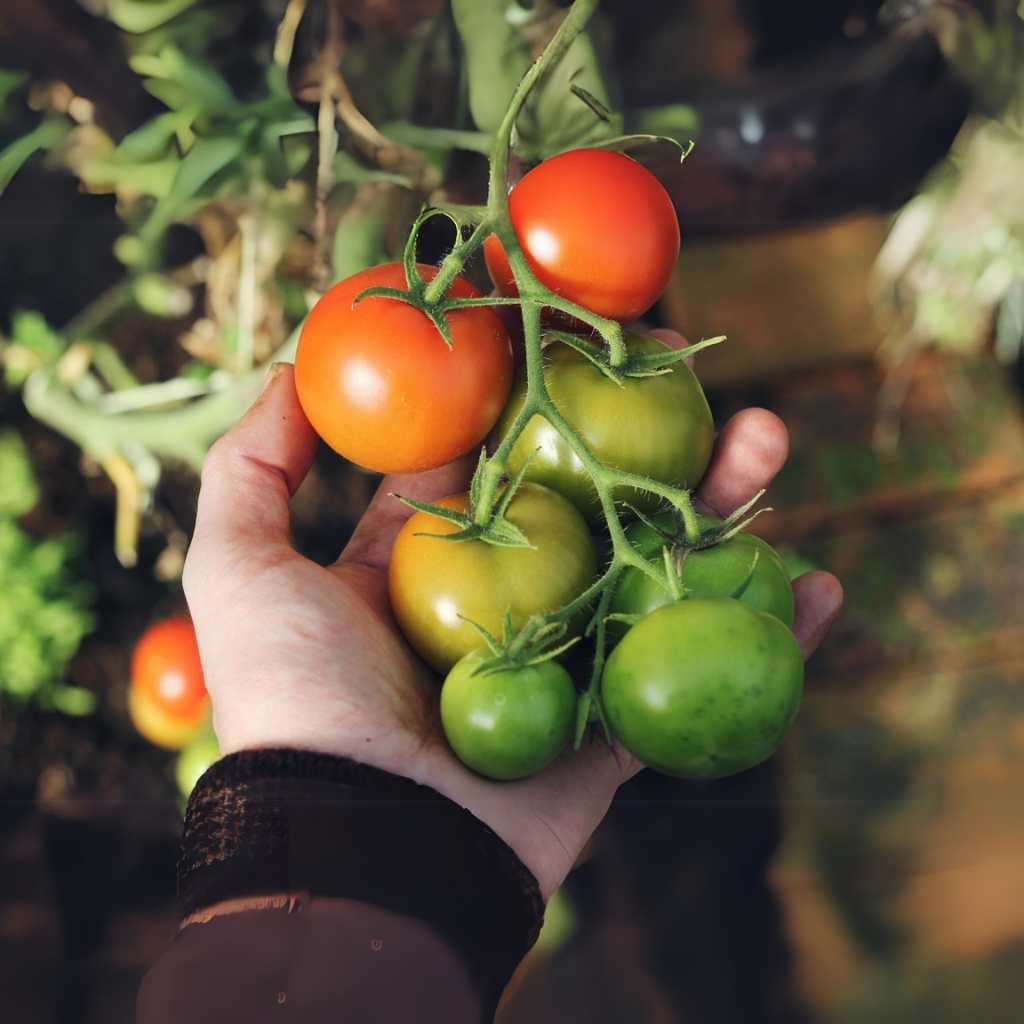
Glass offers the highest light transmission, typically around 90%. This means your plants get the maximum amount of direct sunlight, ideal for crops that thrive in bright conditions such as tomatoes, peppers and citrus plants. However, in the height of summer, too much direct light can lead to overheating and plant stress unless shaded.
Polycarbonate panels, particularly twin-wall or multi-wall types, transmit slightly less light (around 80-85%) but scatter it more evenly. This diffused light reduces hotspots and is gentler on delicate plants. It’s especially useful in preventing sunburn on leaves and maintaining even growth throughout the structure. Some growers also prefer polycarbonate for seedling propagation because of its gentle light distribution.
If you’re in a region with intense summer sun or want a year-round growing space, polycarbonate sheeting is often the better choice for balanced light exposure.
Light is a vital factor in greenhouse gardening. Plants need sufficient sunlight to photosynthesize and different materials affect how light is delivered inside your greenhouse.
Glass offers the highest light transmission, typically around 90%. This means your plants get the maximum amount of direct sunlight, ideal for crops that thrive in bright conditions such as tomatoes, peppers and citrus plants.
However, in the height of summer, too much direct light can lead to overheating and plant stress unless shaded.
Polycarbonate panels, particularly twin-wall or multi-wall types, transmit slightly less light (around 80-85%) but scatter it more evenly. This diffused light reduces hotspots and is gentler on delicate plants. It’s especially useful in preventing sunburn on leaves and maintaining even growth throughout the structure. Some growers also prefer polycarbonate for seedling propagation because of its gentle light distribution.
If you’re in a region with intense summer sun or want a year-round growing space, polycarbonate sheeting is often the better choice for balanced light exposure.
Cost Comparison
Budget often plays a major role in the decision between polycarbonate and glass.
Glass greenhouses tend to be more expensive in terms of both materials and labour. The need for a reinforced frame, specialist installation and potential repairs contributes to higher long-term costs. Additionally, the fragility of glass means you may incur more frequent maintenance expenses.
Polycarbonate is the more budget-friendly option, both upfront and over time. Sheets are cheaper to manufacture, ship and install. Their insulation properties also reduce the cost of heating in colder months, leading to long-term savings. For gardeners looking for maximum value without compromising on functionality, polycarbonate is a smart choice.
Durability and Safety
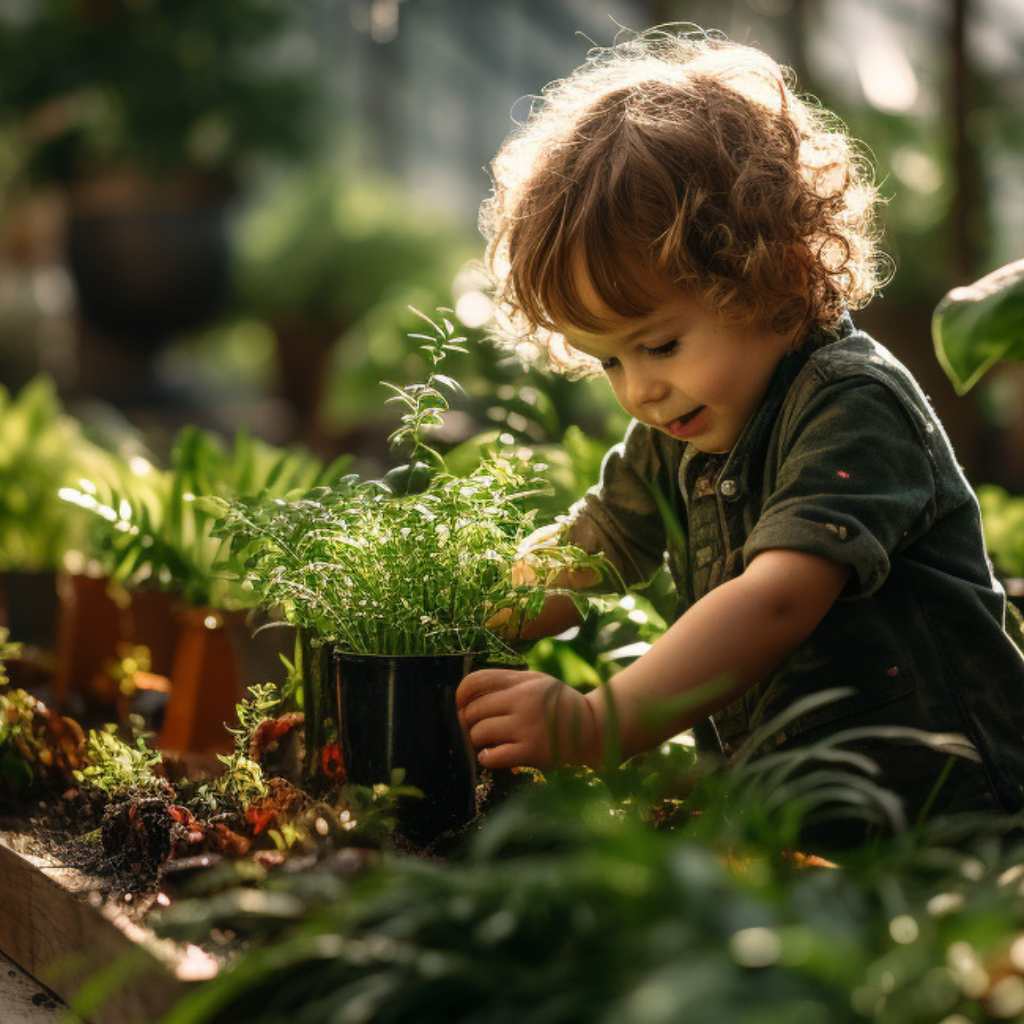
When it comes to safety and long-term durability, polycarbonate has a clear edge. Gardeners in windy, storm-prone or child-friendly environments often prefer plastic greenhouses for peace of mind.
Glass, especially standard horticultural glass, is fragile and prone to breaking upon impact. While tempered safety glass offers improved strength and shatter resistance, it still poses risks during extreme weather or accidental impact. Replacement costs and safety concerns make glass less ideal in active gardens.
Polycarbonate panels are virtually unbreakable under normal conditions. They can withstand heavy wind, hail and accidental knocks from tools, pets or children. Their flexibility and resistance to impact make them a reliable, long-term solution for gardeners who want a low-maintenance and safe greenhouse structure.
Durability & Safety
When it comes to safety and long-term durability, polycarbonate has a clear edge. Gardeners in windy, storm-prone or child-friendly environments often prefer plastic greenhouses for peace of mind.
Glass, especially standard horticultural glass, is fragile and prone to breaking upon impact. While tempered safety glass offers improved strength and shatter resistance, it still poses risks during extreme weather or accidental impact. Replacement costs and safety concerns make glass less ideal in active gardens.
Polycarbonate panels are virtually unbreakable under normal conditions. They can withstand heavy wind, hail and accidental knocks from tools, pets or children. Their flexibility and resistance to impact make them a reliable, long-term solution for gardeners who want a low-maintenance and safe greenhouse structure.
Aesthetic Appeal
There’s no denying that glass greenhouses have a timeless charm. Their crystal-clear panels and elegant structure make them a beautiful addition to traditional or ornamental gardens. If visual appeal is your top priority and budget is no issue, glass may be the way to go.
While polycarbonate greenhouses may lack the classic look and transparent sparkle of glass, horticulture enthusiasts may find polycarbonate’s modern design and practical benefits more suited to their needs. Available in clear, opal white twinwall and light bronze twinwall, polycarbonate can complement a variety of garden styles while providing all the practical benefits of plastic sheeting.
Pros and Cons of Glass vs Polycarbonate for Greenhouses
Choosing the right plastic roofing material depends on your specific needs and priorities. Consider factors such as the climate in your area, the type of structure you’re roofing and your budget. For instance:
Feature
Light transmission
Insulation
Durability
Aesthetic
Installation
Cost
Installation
Glass
Greenhouse
Maximum clarity
Poor thermal retention
Fragile, breaks easily
Heavy and requires professionals
High, needs regular cleaning
High initial and repair costs
Classic and elegant
Polycarbonate Greenhouse
Diffused light (80-85%)
Excellent insulation
Impact-resistant and shatterproof
Lightweight and DIY-friendly
Low, easy to clean
Lower overall costs
Modern and functional
Pros and Cons of Glass vs Polycarbonate for Greenhouses
Choosing the right plastic roofing material depends on your specific needs and priorities. Consider factors such as the climate in your area, the type of structure you’re roofing and your budget. For instance:
Glass
Greenhouse
– Maximum clarity
– Poor thermal retention
– Fragile, breaks easily
– Heavy and requires professionals
– High, needs regular cleaning
– High initial and repair costs
– Classic and elegant
Polycarbonate Greenhouse
– Diffused light (80-85%)
– Excellent insulation
– Impact-resistant and shatterproof
– Lightweight and DIY-friendly
– Low, easy to clean
– Lower overall costs
– Modern and functional
Final Verdict: Which Greenhouse Material Should You Choose?
If you’re after a low-maintenance, durable and energy-efficient greenhouse, clear polycarbonate sheeting is an excellent, cost-effective choice—especially for year-round growing or family-friendly spaces. If aesthetics and maximum light transmission are your top priorities, and you’re prepared for the extra cost and upkeep, a glass greenhouse might suit you best.
If you’ve decided that polycarbonate is the right option for you, it’s worth taking a closer look at the different types available. We offer several specialised polycarbonate sheets to suit different needs, all available cut-to-size and ready to install:
Allows high levels of natural light in (90%), ideal for growing sun-loving plants
Tough, fire-rated and impact-resistant – stands up to storms, tools and daily use
Withstands harsh weather without cracking or warping
UV-protected to prevent yellowing
- Retains heat well, helping to boost germination and early plant growth
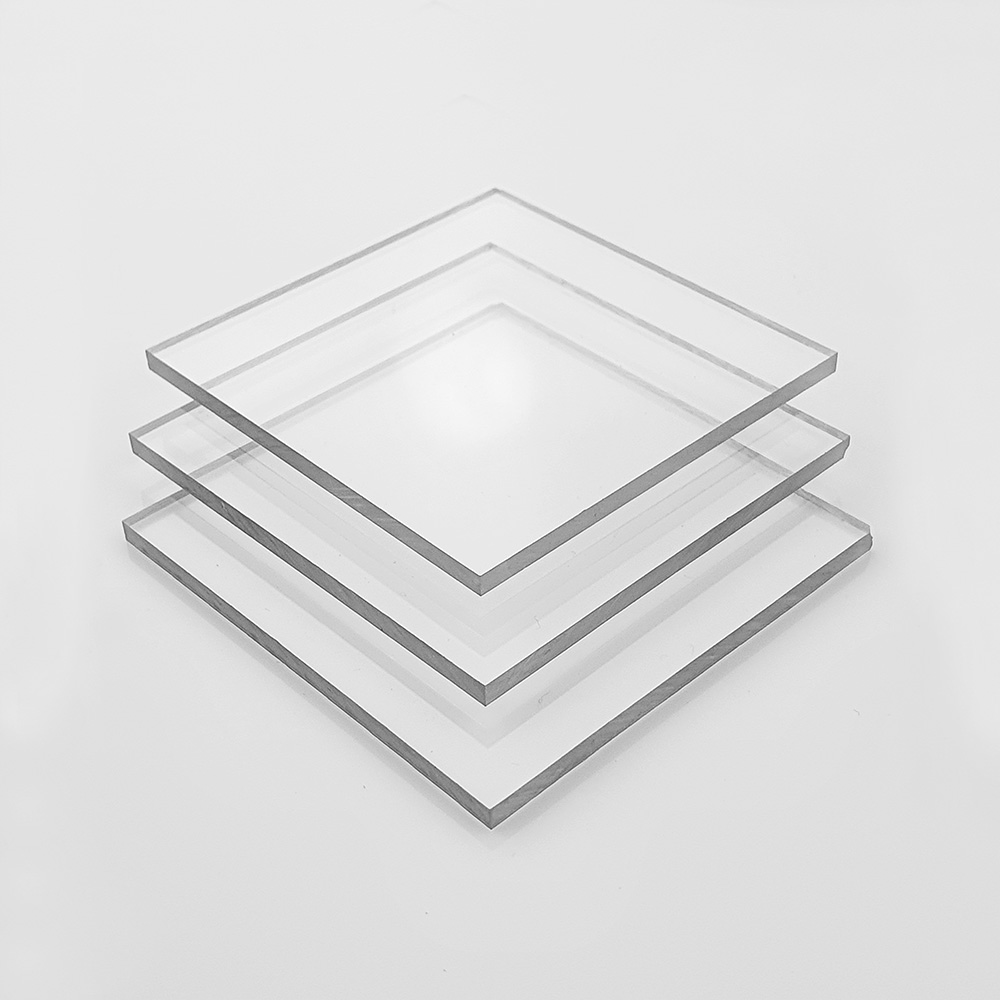
Scratch-Resistant Polycarbonate
Hard-coated surface resists abrasion and cleaning damage
Maintains optimal clarity for longer with minimal upkeep
Great for areas prone to dust, debris or hand-on use
Resists wear from tools, watering equipment and growing activity
Great for high-contact or family-friendly greenhouse areas
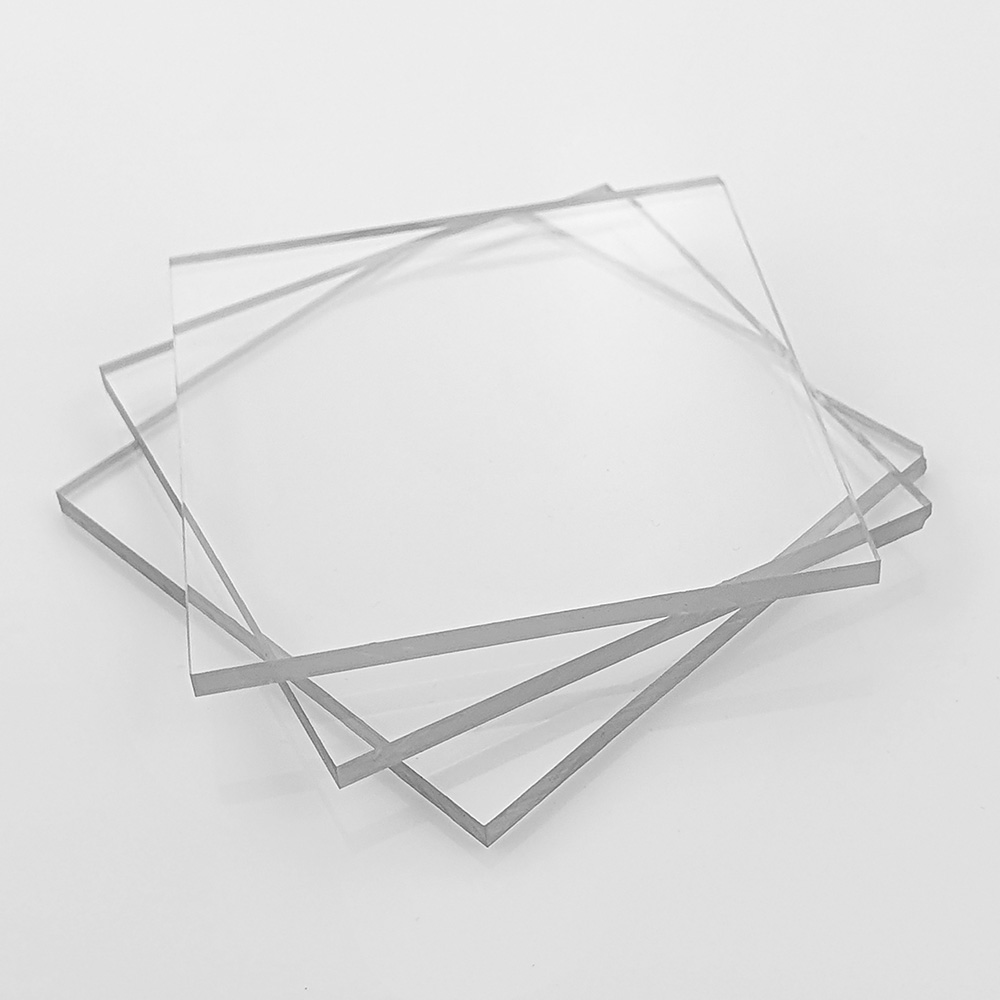
Reduces surface reflection to boost light transmission
Lowers glare and spreads light more evenly
Reduces eye-strain when working inside the greenhouse
Improves plant performance in lower-light conditions or shaded gardens
Perfect for light-sensitive plants and commercial use
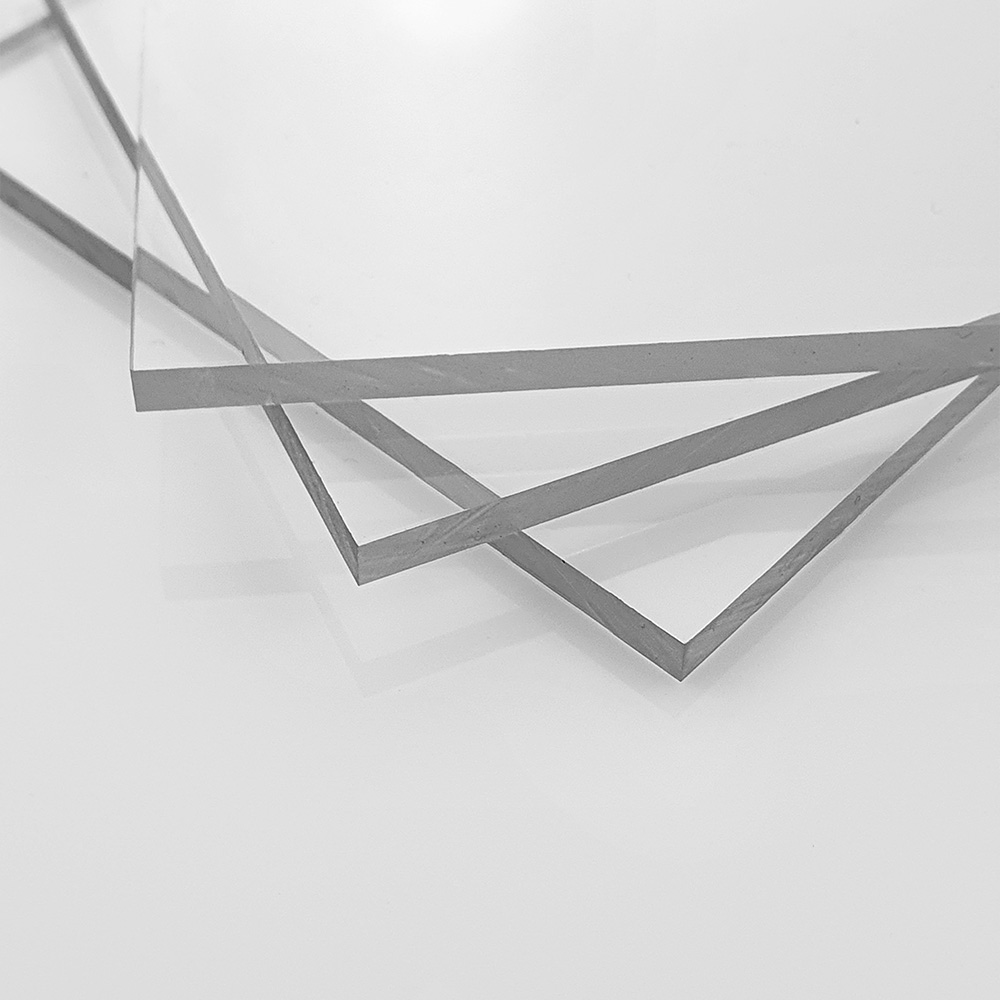
Allows high levels of natural light in (90%), ideal for growing sun-loving plants
Tough, fire-rated and impact-resistant – stands up to storms, tools and daily use
Withstands harsh weather without cracking or warping
UV-protected to prevent yellowing
Retains heat well, helping to boost germination and early plant growth
Scratch-Resistant Polycarbonate
Hard-coated surface resists abrasion and cleaning damage
Maintains optimal clarity for longer with minimal upkeep
Great for areas prone to dust, debris or hand-on use
Resists wear from tools, watering equipment and growing activity
Great for high-contact or family-friendly greenhouse areas
Reduces surface reflection to boost light transmission
Lowers glare and spreads light more evenly
Reduces eye-strain when working inside the greenhouse
Improves plant performance in lower-light conditions or shaded gardens
Perfect for light-sensitive plants and commercial use
Light Bronze Twin-Wall Polycarbonate
Diffuses sunlight and reduces glare, ideal for areas with intense sun
Bronze tint softens the light, good for plants that don’t need as much direct sunlight
Moderates light levels to prevent overheating and ensure consistent light
Warm, tinted appearance complements garden designs
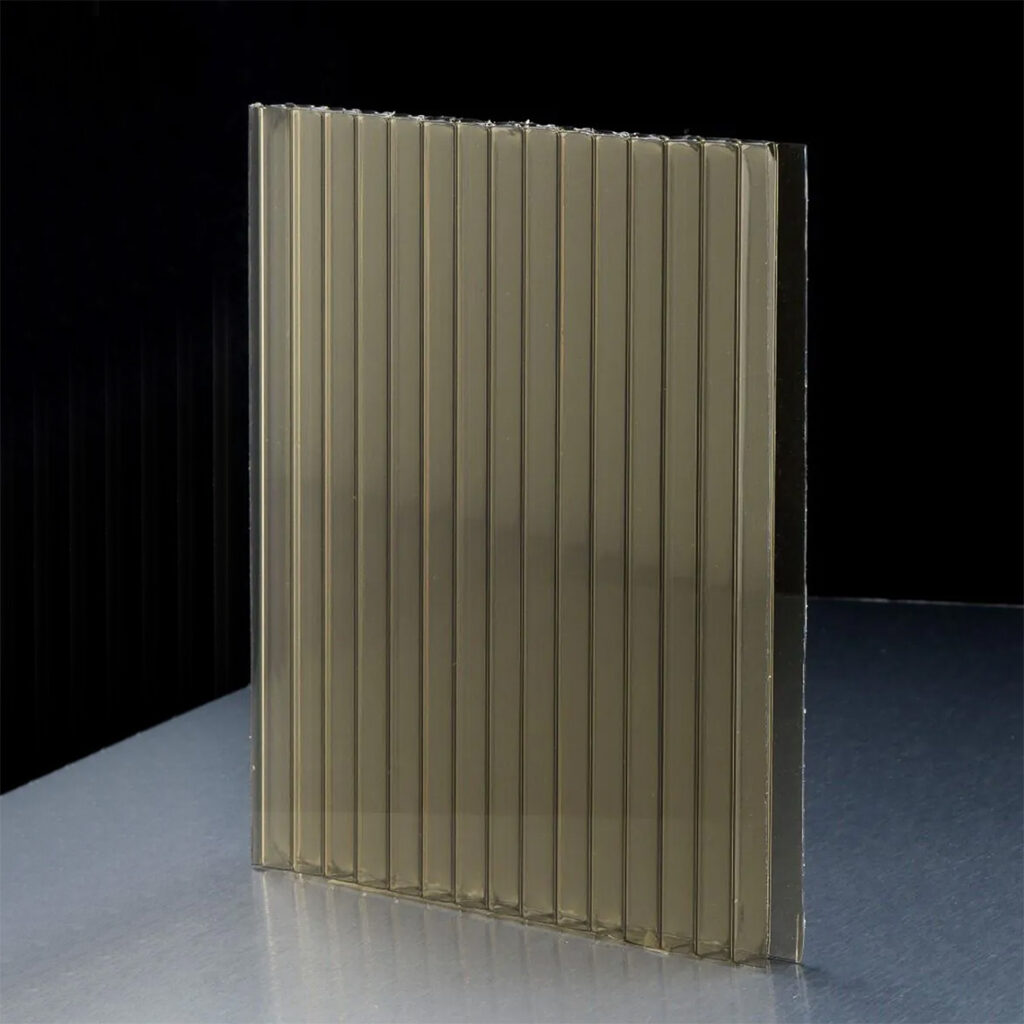
Excellent insulation due to air gap between layers
Diffused light reduces plant scorching
Ideal for energy-efficient, year-round growing
Maintains stable internal temperatures, reducing the need for artificial heating
A practical, energy-efficient choice for hobbyists and professional gardeners alike
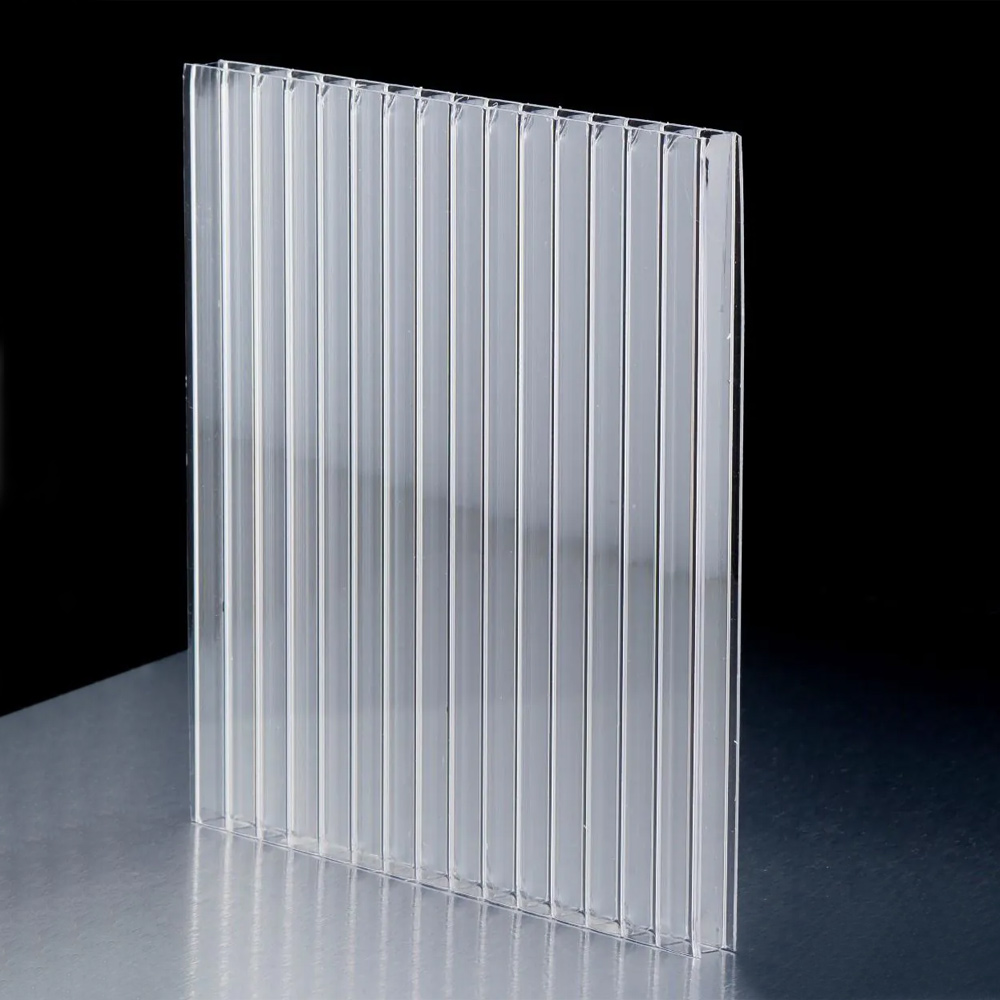
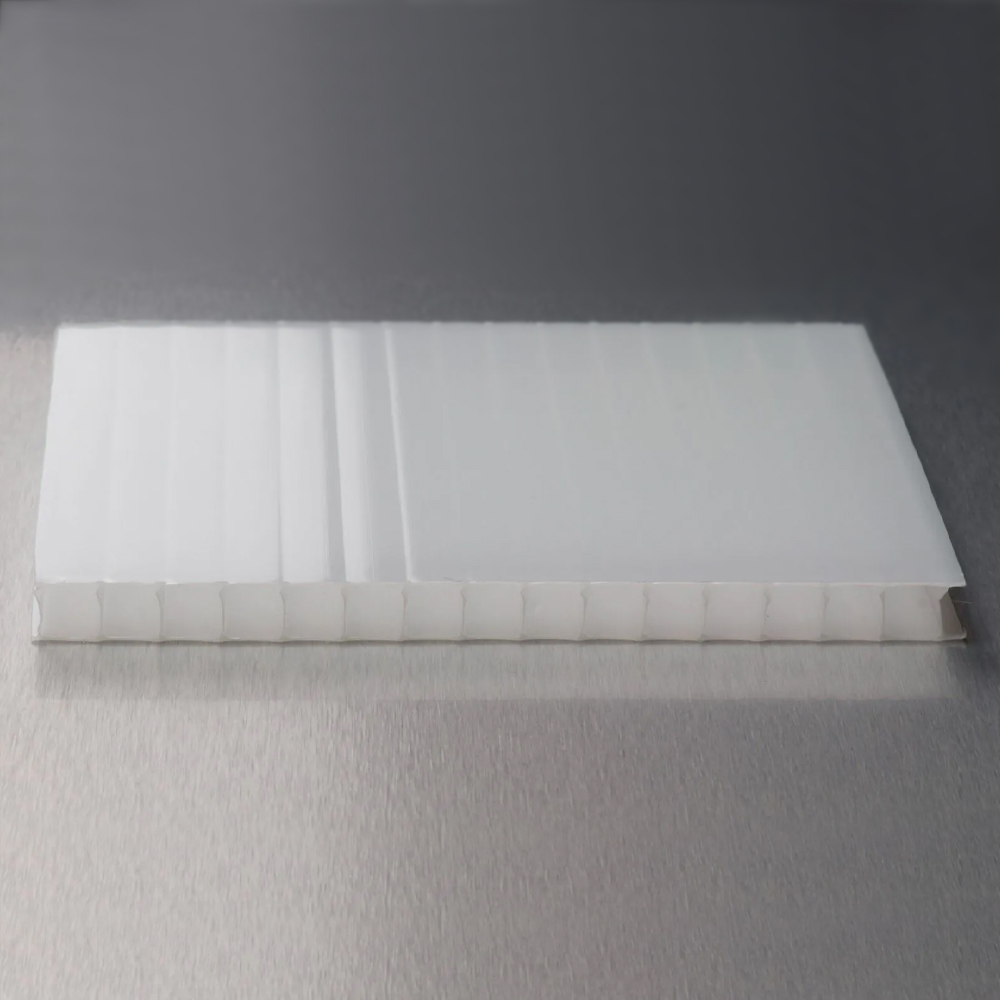
Opal White Twin-Wall Polycarbonate
Scatters light evenly, preventing harsh light spots and plant stress
Provides excellent insulation, retains warmth and offers shade for temperature-sensitive plants
Offers better protection against UV rays, helping to protect plants from harmful exposure
- Ideal for plants that need gentle, evenly diffused light, such as leafy greens or seedlings
Light Bronze Twin-Wall Polycarbonate
Diffuses sunlight and reduces glare, ideal for areas with intense sun
Bronze tint softens the light, good for plants that don’t need as much direct sunlight
Moderates light levels to prevent overheating and ensure consistent light
Warm, tinted appearance that complements garden designs
Excellent insulation due to air gap between layers
Diffused light reduces plant scorching
Ideal for energy-efficient, year-round growing
Maintains stable internal temperatures, reducing the need for artificial heating
A practical, energy-efficient choice for hobbyists and professional gardeners alike
Opal White Twin-Wall Polycarbonate
Scatters light evenly, preventing harsh light spots and plant stress
Provides excellent insulation, retains warmth, and offers shade for temperature-sensitive plants
Offers better protection against UV rays, helping to protect plants from harmful exposure
Ideal for plants that need gentle, evenly diffused light, such as leafy greens or seedlings
Whatever your gardening goals, we supply cut-to-size polycarbonate sheets perfect for building, upgrading or repairing your greenhouse panels. With UV protection, excellent clarity and long-term durability, our sheeting helps you grow more, save more and worry less.
Shop Plastic for Greenhouses
Ready to build or upgrade your greenhouse? Explore our range of cut-to-size polycarbonate sheeting—lightweight, durable and tailored to your needs. With UV protection, excellent insulation and custom options like rounded corners and cut-outs, we make greenhouse projects easy from start to finish.
Thickness of Sheets Available:
Polycarbonate: 2mm, 3mm, 4mm, 5mm, 6mm, 8mm, 10mm
Twinwall Polycarbonate: 10mm, 16mm
Curious to know what other materials we offer? Browse here for our full range of high-quality options and find the perfect material for your next project.

Shop Plastic for Greenhouses
Ready to build or upgrade your greenhouse? Explore our range of cut-to-size polycarbonate sheeting—lightweight, durable and tailored to your needs. With UV protection, excellent insulation and custom options like rounded corners and cut-outs, we make greenhouse projects easy from start to finish.
Thickness of Sheets Available:
Curious to know what other materials we offer? Browse here for our full range of high-quality options and find the perfect material for your next project.