![[STAGING] Cut Plastic Sheeting](https://staging.cutplasticsheeting.co.uk/app/uploads/2020/09/cut-plastic.svg)

Choosing the correct plastic sheet thickness is critical when working on structural projects. Thickness directly affects strength, rigidity, fixing performance, and long-term stability.
Whether you’re designing panels, partitions, screens, or protective barriers, understanding how thickness behaves in real-world use helps you avoid flexing, sagging, or premature failure.
Why Plastic Sheet Thickness Matters
Thickness isn’t just a measurement – it changes how a plastic sheet performs once installed.
In structural applications, thickness influences:
Overall rigidity and resistance to bending
How much weight the sheet can support
The distance a sheet can span without sagging
How well fixings hold under stress
Long-term shape retention
A sheet that works well as a protective cover may fail when used as a self-supporting element if the thickness is underestimated.

Why Plastic Sheet Thickness Matters
Thickness isn’t just a measurement – it changes how a plastic sheet performs once installed.
In structural applications, thickness influences:
Overall rigidity and resistance to bending
How much weight the sheet can support
The distance a sheet can span without sagging
How well fixings hold under stress
Long-term shape retention
A sheet that works well as a protective cover may fail when used as a self-supporting element if the thickness is underestimated.
How Thickness Changes Strength and Flex
As plastic sheets get thicker, they become significantly more resistant to bending. This means:
Thicker sheets flex less under load
Weight spreads more evenly across the panel
The risk of bowing or vibration reduces
The panel feels more solid once installed
Even small increases in thickness can noticeably improve performance in structural use.

Thickness and Span: What You Need to Know
Span is one of the most common reasons projects fail.
If thickness is too low:
Sheets may sag between fixings
Edges can pull under stress
Panels may distort over time
With the right thickness:
Wider spans become possible
Fewer support points are needed
Installations look cleaner and more professional
Thickness and Span: What You Need to Know
Span is one of the most common reasons projects fail.
If thickness is too low:
Sheets may sag between fixings
Edges can pull under stress
Panels may distort over time
With the right thickness:
Wider spans become possible
Fewer support points are needed
Installations look cleaner and more professional
How Thickness Affects Fixings and Drilling
Fixing performance improves as thickness increases.
Thicker plastic sheets:
Provide better grip for screws and bolts
Reduce stress around drilled holes
Handle repeated removal or adjustment more reliably
Offer stronger edges for stand-offs and brackets
For structural panels that rely on mechanical fixings, thickness plays a major role in durability.

Structural Use: Indoor vs Outdoor Considerations
Thickness requirements often change depending on the environment.

Indoor structural applications:
Lower exposure to temperature change
Less movement over time
Thickness still needed for rigidity and clean presentation
Indoor structural applications:
Exposure to thermal expansion
Wind and weather loading
Greater movement over time
Thicker sheets generally perform better long term
Structural Use: Indoor vs Outdoor Considerations
Thickness requirements often change depending on the environment.
Indoor structural applications:
Lower exposure to temperature change
Less movement over time
Thickness still needed for rigidity and clean presentation
Indoor structural applications:
Exposure to thermal expansion
Wind and weather loading
Greater movement over time
Thicker sheets generally perform better long term
Common Plastic Thickness Mistakes to Avoid
Many issues come from choosing thickness based on cost or appearance rather than performance.
Avoid these common mistakes:
Choosing the thinnest option to save cost
Assuming all plastics behave the same at equal thickness
Underestimating span distances
Ignoring fixing method and spacing
Treating structural plastic like glass or wood
Why Material Comes Before Thickness
Thickness alone doesn’t determine how a plastic sheet will perform. Different materials behave very differently under load, even at the same thickness. Understanding whether a material is naturally rigid, flexible, or impact-resistant helps ensure the thickness you choose performs as expected once installed.
Step 1: Understand the Material First
Before choosing thickness, it helps to understand how different sheet materials behave in general. Some are naturally rigid, while others are designed to flex or absorb impact.
Structural Sheet Materials Explained Simply
Material
How Rigid It Is
Impact Resistance
How It Behaves
Best For
Low to moderate rigidity
High
Lightweight with internal structure; flexes more than solid sheet but gains strength from flutes
Roofing panels, glazing, canopies, greenhouses
Moderately rigid
High
Tough and slightly flexible; resists cracking better than acrylic
Protective screens, display panels, machine guards, formed components
👉 Quick Takeaway: Some materials are stiff by nature, others rely more on thickness and support.
For more detailed information on individual materials, browse our full range of plastic sheets to compare properties, applications, and available thicknesses.
Step 2: Choose Thickness Based on What You’re Building
Once you know the material, thickness determines how much weight the sheet can handle and how far it can span.
What Different Plastic Sheet Thicknesses Are Typically Used For
Thickness
Typical Use
What to Expect
2-3mm
Infill panels, framed inserts
Flexible; needs full support
6-8mm
Dividers, self-supporting panels
Good balance of strength and weight
10-12mm
Shelving, structural panels
High rigidity; minimal flex
15+mm
Furniture, load-bearing elements
Very strong and stable
👉 Disclaimer: Performance varies depending on panel size, fixing method, and environmental conditions. This table provides comparative guidance rather than absolute load ratings.
Step 3: How to Choose the Right Thickness Before You Order
When buying plastic sheets cut to size, the goal is to select a thickness that performs as expected without needing replacement or adjustment. The right choice depends on three practical factors:
1. How the Sheet Will Be Supported:
Fully supported (on a solid surface or frame): thinner sheets perform well
Partially supported (fixed at edges only): medium thicknesses reduce flex
Unsupported or spanning gaps: thicker sheets prevent bowing and sagging
2. What the Sheet Needs to Withstand:
Decorative or visual use: lower thickness is usually sufficient
Weight-bearing or structural use: increased thickness improves rigidity
Impact or regular handling: choose thicker or tougher materials
3. The Material’s Natural Rigidity:
Some materials achieve strength at lower thicknesses, while others require more material to remain stable:
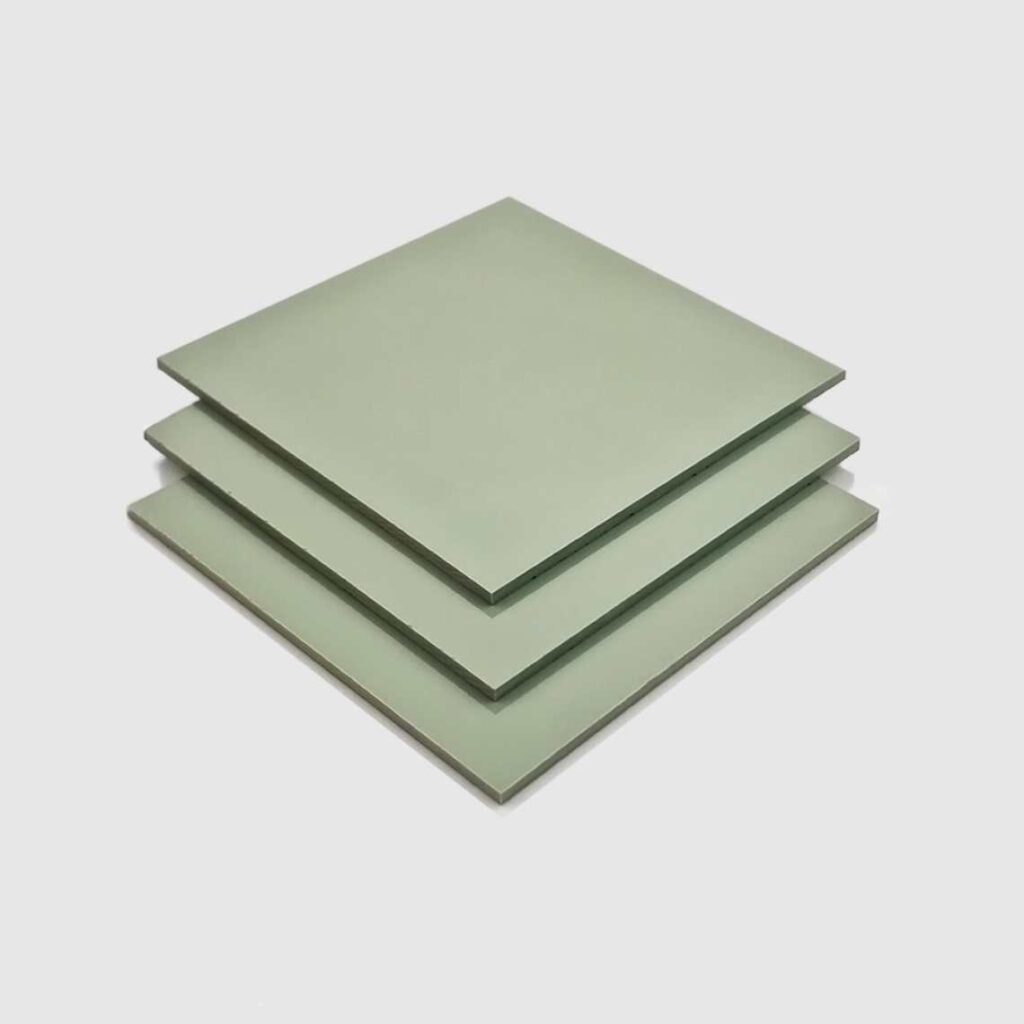
Acrylic and aluminium composite: achieve rigidity at lower thicknesses
Polycarbonate: benefits from added thickness for stiffness
PVC, ABS, polypropylene: typically require greater thickness or support

A Practical Buying Tip for Plastic Sheets
If your project requires a rigid, self-supporting panel, choosing a thicker option can help minimise flex and improve long-term stability.
If flexibility is intentional – such as for curved installations or impact-resistant applications – a thinner sheet or a more flexible material may be more suitable.
If you’re unsure which option best fits your project, contact our team who can help you select the right material and thickness before you place your order.
A Practical Buying Tip
If your project requires a rigid, self-supporting panel, choosing a thicker option can help minimise flex and improve long-term stability.
If flexibility is intentional – such as for curved installations or impact-resistant applications – a thinner sheet or a more flexible material may be more suitable.
If you’re unsure which option best fits your project, contact our team who can help you select the right material and thickness before you place your order.
Why Plastic Sheeting Thickness Choice Matters
Plastic sheet thickness is one of the most important decisions in structural projects. Thicker sheets deliver improved strength, better fixing performance, and greater long-term stability, while thinner sheets suit supported or non-structural uses. Understanding how thickness behaves in real-world conditions helps you build with confidence and avoid costly mistakes.
Ready to Choose the Right Thickness for Your Project?
Choosing the right sheet thickness is key to how your project performs, and ordering online shouldn’t involve guesswork. At Cut Plastic Sheeting, every sheet is cut to size with precision, so you can order quickly and confidently when you know what you need.
If you’d like a second opinion before you buy, our team is on hand to help you confirm the best material and thickness for your application. Whether you’re planning a one-off project or a larger build, we’re here to help you move forward with confidence!

Ready to Choose the Right Thickness for Your Project?
Choosing the right sheet thickness is key to how your project performs, and ordering online shouldn’t involve guesswork. At Cut Plastic Sheeting, every sheet is cut to size with precision, so you can order quickly and confidently when you know what you need.
If you’d like a second opinion before you buy, our team is on hand to help you confirm the best material and thickness for your application. Whether you’re planning a one-off project or a larger build, we’re here to help you move forward with confidence!