![[STAGING] Cut Plastic Sheeting](https://staging.cutplasticsheeting.co.uk/app/uploads/2020/09/cut-plastic.svg)
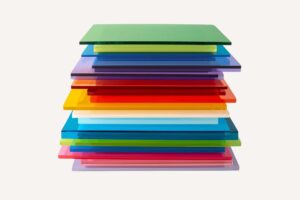
When you’re ordering cut plastic sheets for displays, signage, furniture or glazing, it’s easy to focus on the size and thickness – but what really completes the look is the edge finish. A smooth, clear edge instantly gives acrylic and other plastics a refined, high-end appearance.
At Cut Plastic Sheeting, we offer precision diamond polishing and flame polishing services to achieve flawless finishes straight from our workshop. But depending on your material and project, you may not always need a polished edge – and in some cases, you can refine the finish yourself.
When you’re ordering cut plastic sheets for displays, signage, furniture or glazing, it’s easy to focus on the size and thickness – but what really completes the look is the edge finish. A smooth, clear edge instantly gives acrylic and other plastics a refined, high-end appearance.
At Cut Plastic Sheeting, we offer precision diamond polishing and flame polishing services to achieve flawless finishes straight from our workshop. But depending on your material and project, you may not always need a polished edge – and in some cases, you can refine the finish yourself.
What Is Edge Finishing and Why Does It Matter?
Edge finishing refers to the process of smoothing and polishing the edges of cut plastic sheets after they’ve been machined or sawn. The right finish depends on both the material type and intended use:
For display panels, retail fixtures, or furniture, clear polished edges give a sleek, glass-like appearance.
For protective screens or industrial applications, a smooth but unpolished edge may be perfectly suitable.
For more information on our edge finishing services, view our Edge Finishing Services page.
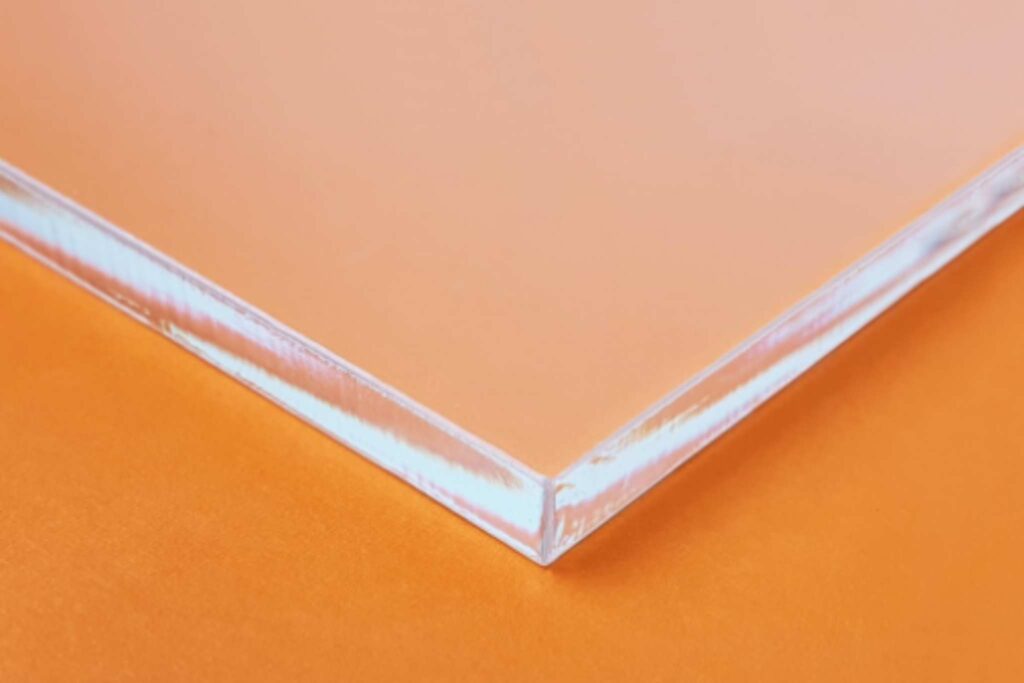
💎 Diamond Polishing: For Crystal-Clear Precision
Diamond polishing is the most advanced form of edge finishing and delivers a flawless, optically clear result. It’s ideal for:
Acrylic (Perspex®) sheets used in signage, retail displays, furniture or awards.
Projects where the edge is visible and needs a refined, glass-like shine.
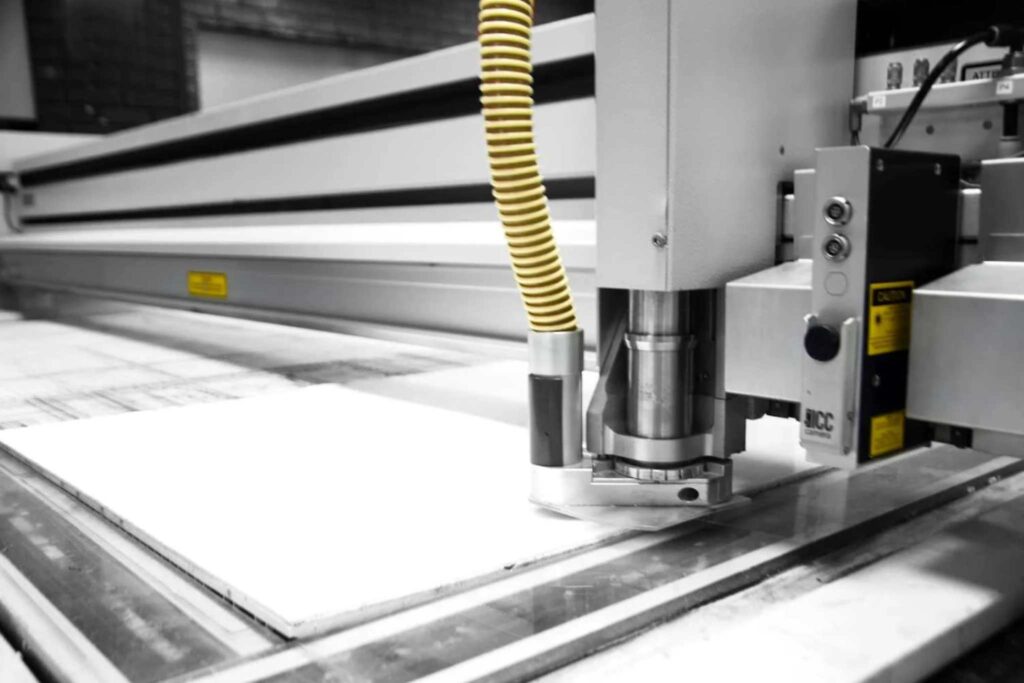
Using a precision diamond-tipped polishing machine, we achieve perfectly smooth, straight edges with mirror-quality clarity. It’s the go-to option for professional, high-impact displays where detail matters.
💎 Diamond Polishing: For Crystal-Clear Precision
Diamond polishing is the most advanced form of edge finishing and delivers a flawless, optically clear result.
Acrylic (Perspex®) sheets used in signage, retail displays, furniture or awards.
Projects where the edge is visible and needs a refined, glass-like shine.
Using a precision diamond-tipped polishing machine, we achieve perfectly smooth, straight edges with mirror-quality clarity. It’s the go-to option for professional, high-impact displays where detail matters.
🔥 Flame Polishing: For Smooth, Glossy Curves
Flame polishing uses a controlled gas flame to gently melt the surface layer of acrylic, removing fine marks and restoring clarity.
It’s best suited for:
Acrylic sheets with curved or irregular edges where diamond polishing can’t reach.
Thinner acrylics or decorative projects where a quick, even gloss is desired.
Flame polishing is fast, clean and perfect for adding a subtle sheen to complex shapes or smaller cut pieces.
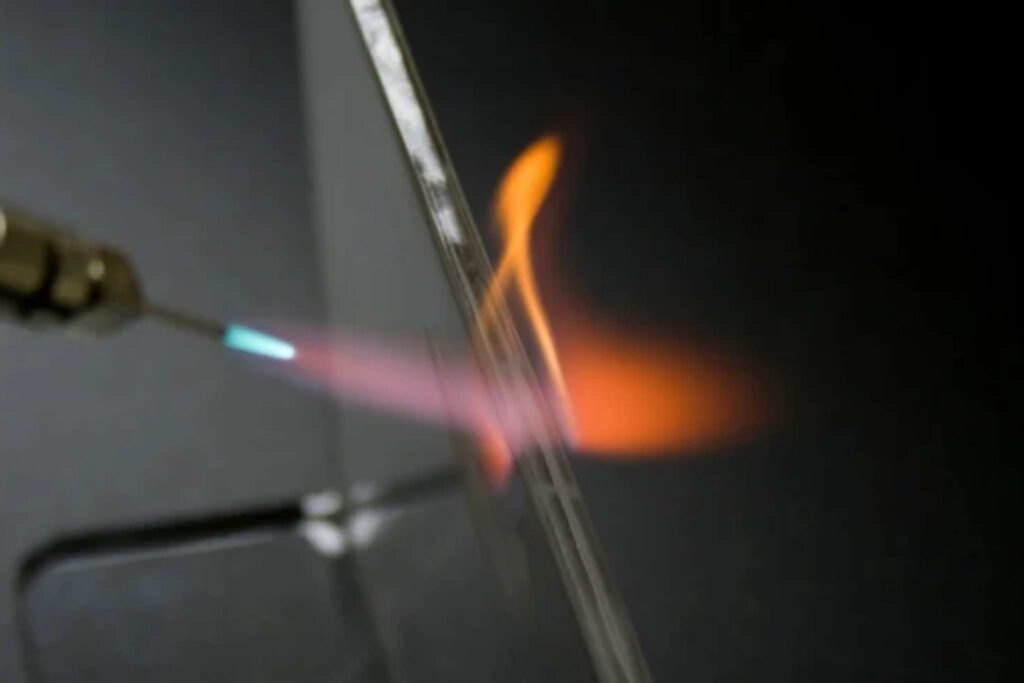
🔥 Flame Polishing: For Smooth, Glossy Curves
Flame polishing uses a controlled gas flame to gently melt the surface layer of acrylic, removing fine marks and restoring clarity.
It’s best suited for:
Acrylic sheets with curved or irregular edges where diamond polishing can’t reach.
Thinner acrylics or decorative projects where a quick, even gloss is desired.
Flame polishing is fast, clean, and perfect for adding a subtle sheen to complex shapes or smaller cut pieces.

Sanded and Bevelled Edges: A DIY Option For Finishing at Home
If your project doesn’t require a full professional polish, simple sanding or beveling can help smooth rough-cut edges.
Start with fine-grit sandpaper (e.g. 400–600) and work gradually to achieve a smooth, frosted look.
You can gently bevel edges using a file or sanding block for a softer corner finish.
This approach works well for DIY builds, workshop projects, or parts that won’t be prominently displayed. Just take care not to overheat or scratch the plastic while sanding.
Sanded and Bevelled Edges: A DIY Option For Finishing at Home
If your project doesn’t require a full professional polish, simple sanding or beveling can help smooth rough-cut edges.
Start with fine-grit sandpaper (e.g. 400–600) and work gradually to achieve a smooth, frosted look.
You can gently bevel edges using a file or sanding block for a softer corner finish.
This approach works well for DIY builds, workshop projects, or parts that won’t be prominently displayed. Just take care not to overheat or scratch the plastic while sanding.
⚙️ When Is Polishing Needed?
Polishing isn’t always essential – it depends on how your plastic sheet will be used and how visible the edges are in the final design. Here’s a quick guide to help you decide:
Retail or display stands: Diamond or flame-polished edges for a premium, crystal-clear finish.
Protective screens or machine guards: Unpolished or finely sanded edges – clarity isn’t crucial here.
Furniture, tables or decorative panels: Diamond polishing for that sleek, glass-like look.
Outdoor signage: Flame polishing or unpolished edges, depending on exposure and weather resistance.
DIY or workshop projects: Sanded or bevelled edges – simple, safe and easy to achieve at home.

⚙️ When Is Polishing Needed?
Polishing isn’t always essential – it depends on how your plastic sheet will be used and how visible the edges are in the final design. Here’s a quick guide to help you decide:
Retail or display stands: Diamond or flame-polished edges for a premium, crystal-clear finish.
Protective screens or machine guards: Unpolished or finely sanded edges – clarity isn’t crucial here.
Furniture, tables or decorative panels: Diamond polishing for that sleek, glass-like look.
Outdoor signage: Flame polishing or unpolished edges, depending on exposure and weather resistance.
DIY or workshop projects: Sanded or bevelled edges – simple, safe and easy to achieve at home.
Depending on your material and project requirements, we may also use laser cutting to achieve ultra-smooth, precise edges. This advanced method uses a high-intensity beam guided by CAD software to create clean, sealed edges straight from the machine – meaning in many cases, you may not need additional polishing at all.
If you’re unsure which option suits your project best, our team can advise on the most effective finish for your chosen material and use.
Best Polishing Methods by Material
Once you’ve chosen the right edge finish for your type of project, the next step is understanding which method works best for the material itself. Not all plastics respond to polishing in the same way – here’s a quick guide to help you choose the best approach for your sheet type.
Material Type
Recommended Edge Finish
Notes
Acrylic (Perspex® & Light Diffusing Acrylic)
Diamond or flame polishing
Ideal for displays, signage, furniture and decorative panels. Produces a clear, glass-like edge.
Material Type
Acrylic (Perspex® & Light Diffusing Acrylic)
Recommended Edge Finish
Diamond or flame polishing
Notes
Ideal for displays, signage, furniture and decorative panels. Produces a clear, glass-like edge.
Polycarbonate & Twinwall Polycarbonate
Sanded or Machine-Finished Edge
Tough and impact-resistant; polishing not usually needed. Great for glazing, guards or protective screens.
Material Type
Polycarbonate & Twinwall Polycarbonate
Recommended Edge Finish
Sanded or Machine-Finished Edge
Notes
Tough and impact-resistant; polishing not usually needed. Great for glazing, guards or protective screens.
PVC Sheet, Foamex, Integral Foam PVC
Sanded or Routed Edge
Flame polishing not suitable – edges can melt. A clean sanded or machined edge works best.
Material Type
PVC Sheet, Foamex, Integral Foam PVC
Recommended Edge Finish
Sanded or Routed Edge
Notes
Flame polishing not suitable – edges can melt. A clean sanded or machined edge works best.
ABS Plastic Sheet
Sanded or Lightly Buffed Edge
Functional, not decorative. Smoothing the edges is sufficient.
Material Type
ABS Plastic Sheet
Recommended Edge Finish
Sanded or Lightly Buffed Edge
Notes
Functional, not decorative. Smoothing the edges is sufficient.
Polypropylene (Solid or Fluted)
Unpolished / Sanded Edge
Low melting point – not suitable for flame polishing. Keep edges smooth and practical.
Material Type
Polypropylene (Solid or Fluted)
Recommended Edge Finish
Unpolished / Sanded Edge
Notes
Low melting point – not suitable for flame polishing. Keep edges smooth and practical.
Machined or Bevelled Edge
Metal finish gives a clean look without polishing. Beveling adds a sleek edge for signage or display use.
Material Type
Recommended Edge Finish
Machined or Bevelled Edge
Notes
Metal finish gives a clean look without polishing. Beveling adds a sleek edge for signage or display use.
Diamond Polishing
For the most reflective, mirror-like edge, diamond polishing ensures perfect clarity and light reflection.
Material Type
Recommended Edge Finish
Diamond Polishing
Notes
For the most reflective, mirror-like edge, diamond polishing ensures perfect clarity and light reflection.
Sanded Edge
Soft material – can deform under heat, so stick to sanding or buffing.
Material Type
Recommended Edge Finish
Sanded Edge
Notes
Soft material – can deform under heat, so stick to sanding or buffing.
Polyester & Scratch Resistant Sheets
Factory Cut Edge or Sanded
Typically supplied with a protective coating; no further polishing required.
Material Type
Polyester & Scratch Resistant Sheets
Recommended Edge Finish
Factory Cut Edge or Sanded
Notes
Typically supplied with a protective coating; no further polishing required.
Perfecting Your Acrylic and Plastic Edges With Cut Plastic Sheeting
Understanding the difference between diamond polishing, flame polishing and DIY sanding helps you choose the finish that best matches your project’s purpose and budget. For high-clarity materials like acrylic, professional polishing delivers that flawless, glass-like shine – while for tougher or more functional plastics, a clean sanded edge provides a safe, practical finish.
Ready to Order Your Perfectly Finished Plastic Sheets?
Every order from Cut Plastic Sheeting is cut to size with precision, and you can choose to have your sheets supplied with or without polished edges. Our team selects the most suitable polishing method for the material – ensuring a smooth, professional finish that’s ready to use straight out of the box.
Prefer to handle finishing yourself? We’ll deliver your sheets cleanly cut and ready for DIY sanding or shaping. For step-by-step tips on achieving a smooth, clear edge, check out our guide: 👉 How To Smooth & Polish Acrylic Edges
Whichever route you choose, we’ll help you achieve the perfect result for your project.

Ready to Order Your Perfectly Finished Plastic Sheets?
Every order from Cut Plastic Sheeting is cut to size with precision, and you can choose to have your sheets supplied with or without polished edges. Our team selects the most suitable polishing method for the material – ensuring a smooth, professional finish that’s ready to use straight out of the box.
Prefer to handle finishing yourself? We’ll deliver your sheets cleanly cut and ready for DIY sanding or shaping. For step-by-step tips on achieving a smooth, clear edge, check out our guide: 👉 How To Smooth & Polish Acrylic Edges
Whichever route you choose, we’ll help you achieve the perfect result for your project.