Twinwall polycarbonate is a durable, lightweight and highly versatile material used across various industries. Its strength, insulation properties and adaptability make it popular for construction, outdoor structures and creative applications. This guide explores everything you need to know about twinwall polycarbonate, including its benefits, uses and variations.
What Is Twinwall Polycarbonate?
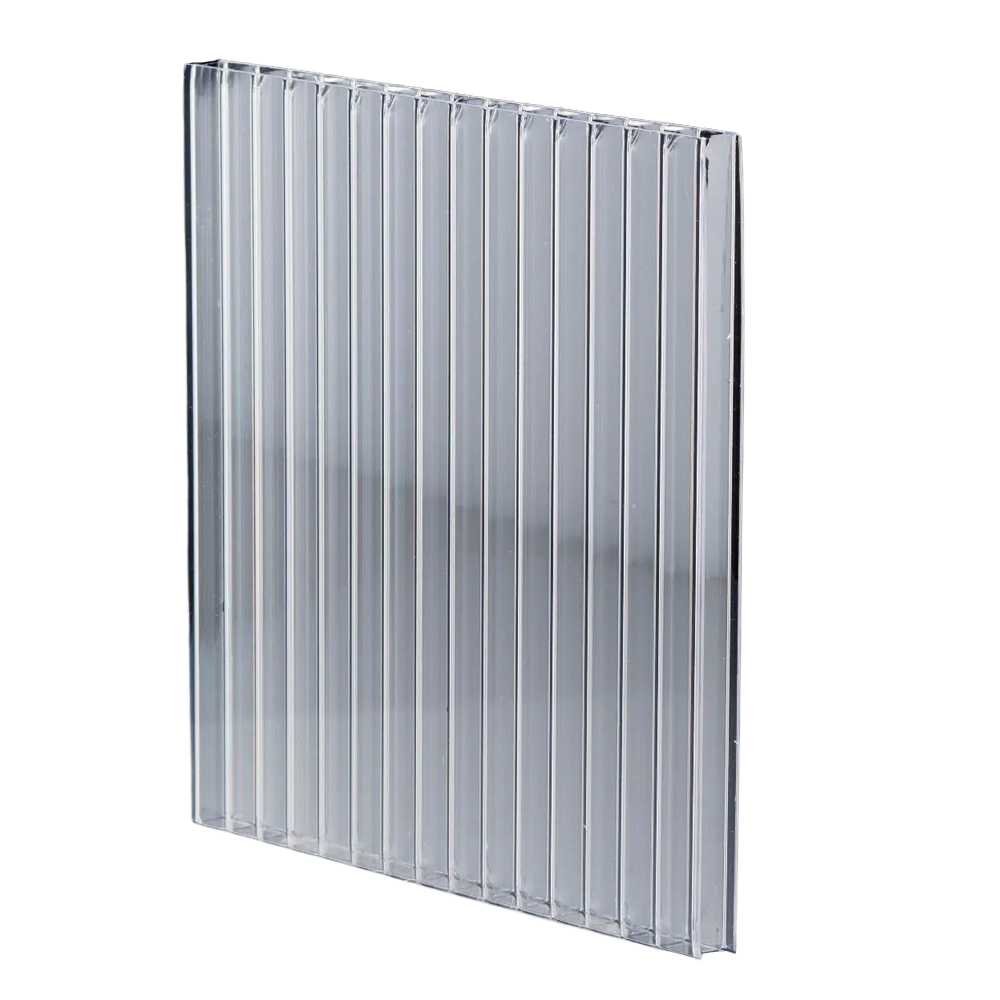
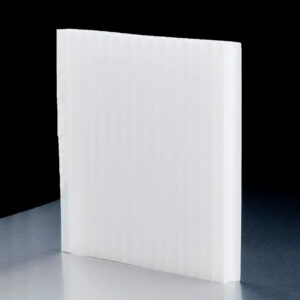
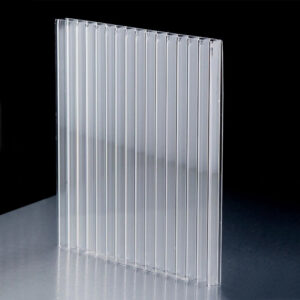
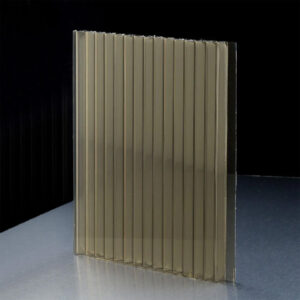
Twinwall polycarbonate consists of two layers of polycarbonate sheeting separated by internal ribs, creating air pockets that enhance insulation. This structure provides a strong yet lightweight alternative to traditional materials like glass. Twinwall polycarbonate is impact-resistant, UV-protected and easy to handle, making it ideal for various indoor and outdoor applications.
Polycarbonate vs Twinwall Polycarbonate
Polycarbonate is a strong, clear thermoplastic known for its toughness and optical clarity. It is used in applications requiring impact resistance, such as safety glazing and machine guards. Twinwall polycarbonate, on the other hand, has a multi-layered structure with air pockets that improve insulation and reduce weight. This makes it particularly suited for roofing, greenhouses and partitions where both light transmission and energy efficiency are essential.
What Are The Benefits Of Twinwall Polycarbonate?
Twinwall polycarbonate combines durability, insulation and weather resistance, making it a superior choice for various applications. Its lightweight yet impact-resistant structure allows for easy handling and installation, while its UV protection ensures long-lasting clarity. With low maintenance needs and excellent thermal insulation, it is a practical and cost-effective alternative to traditional materials.
Durability – Highly impact-resistant and shatterproof, making it more robust than glass or acrylic.
Lightweight – Easy to handle and install, reducing transportation and labor costs.
Thermal Insulation – The hollow structure provides excellent insulation, helping to regulate temperature.
UV Protection – Many sheets include UV-resistant coatings to prevent degradation and yellowing.
Weather Resistance – Withstands extreme weather conditions, including heavy rain, hail and high winds.
Low Maintenance – Requires minimal upkeep and can be easily cleaned with mild soap and water.
Versatility – Can be cut to size, bent and shaped for various applications.
How Can You Use Twinwall Polycarbonate?
Twinwall polycarbonate is used in a wide range of applications due to its strength, insulation and light transmission properties. Whether for construction, commercial projects or residential improvements, this material provides a durable and cost-effective solution.
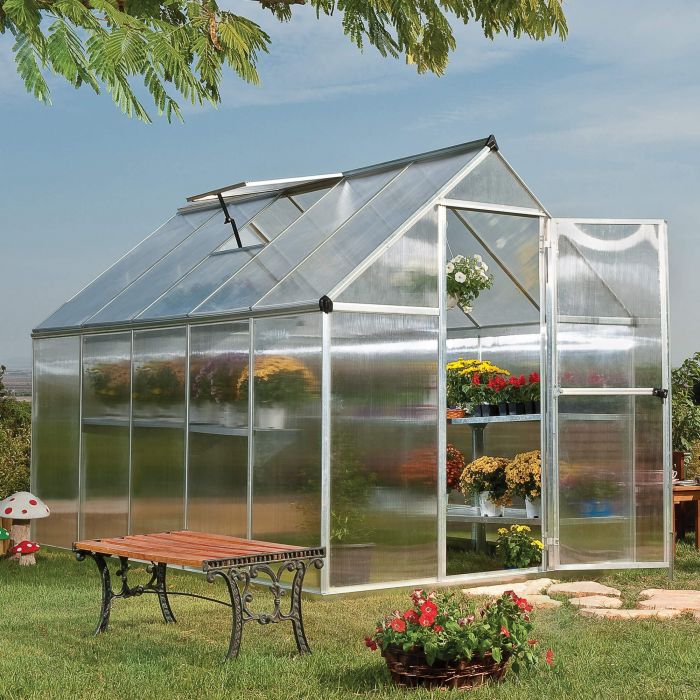
The insulation properties of twinwall polycarbonate make it a top choice for greenhouse construction. It helps maintain a stable internal temperature while allowing sufficient light transmission for plant growth. The material is also UV-resistant, providing protection from harmful rays and preventing plant burn.
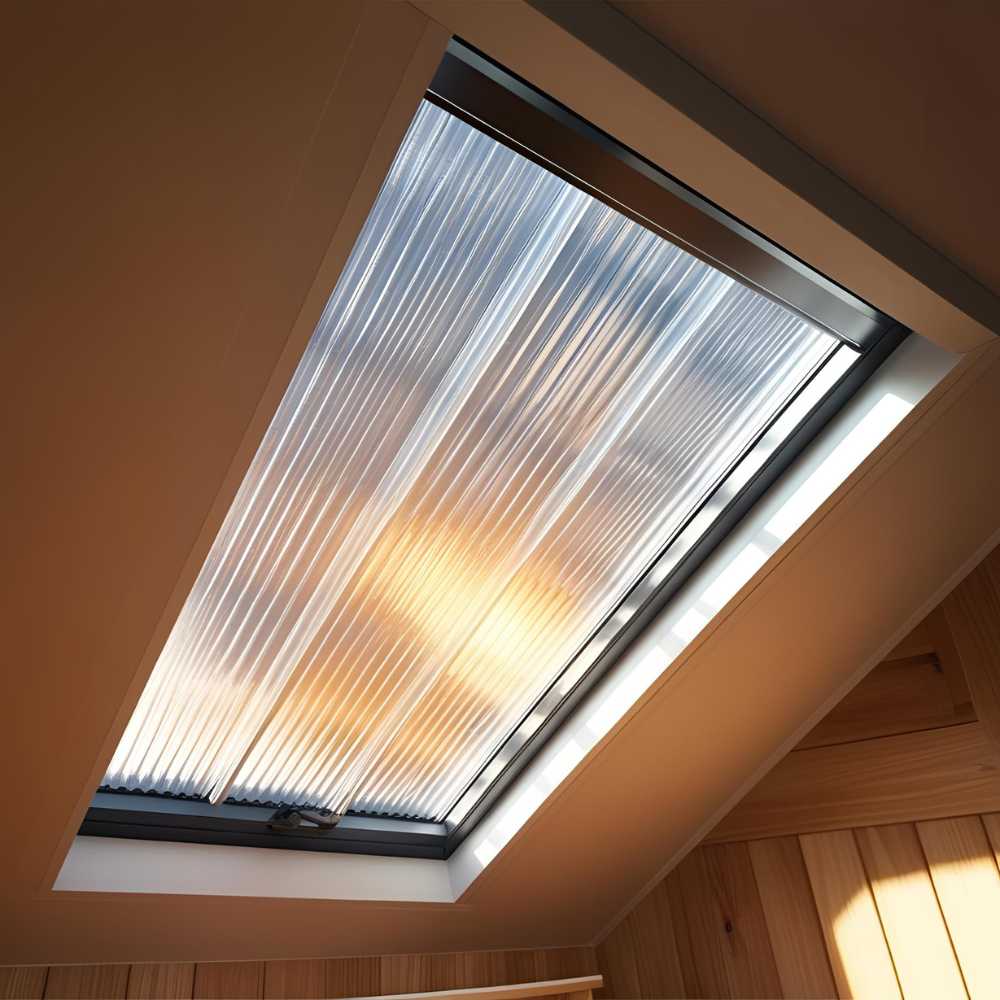
Whether for home extensions, commercial buildings or outdoor structures, twinwall polycarbonate is perfect for roofing applications. It is lightweight yet strong enough to withstand the elements, including heavy rainfall, hail and UV exposure. Its natural light diffusion properties reduce glare while allowing plenty of daylight into interiors.
Partition Walls
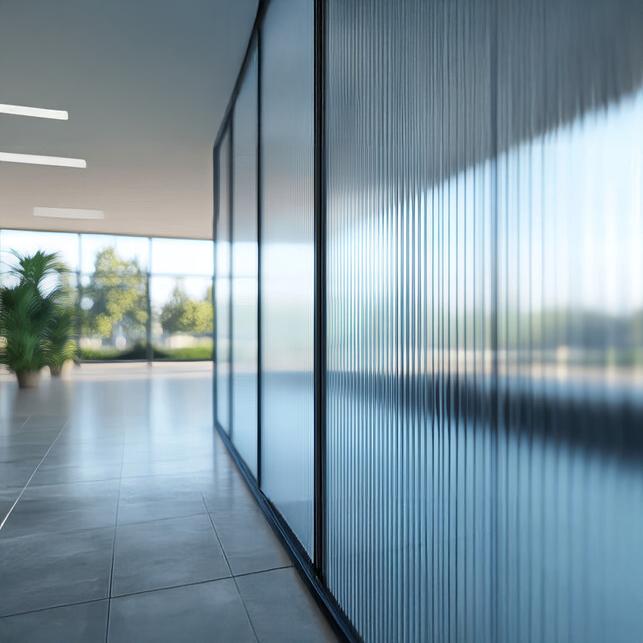
Twinwall polycarbonate is commonly used in both residential and commercial partition walls. It allows natural light to flow through while providing privacy and acoustic insulation. Its lightweight nature makes it easy to handle and install and it is available in various colours and finishes to suit different interior designs.
Due to its excellent clarity and resistance to weathering, twinwall polycarbonate is an ideal material for both indoor and outdoor signage. It ensures long-lasting visibility and durability in harsh environments, including areas with intense sunlight or exposure to rain.
Conservatories and Pergolas
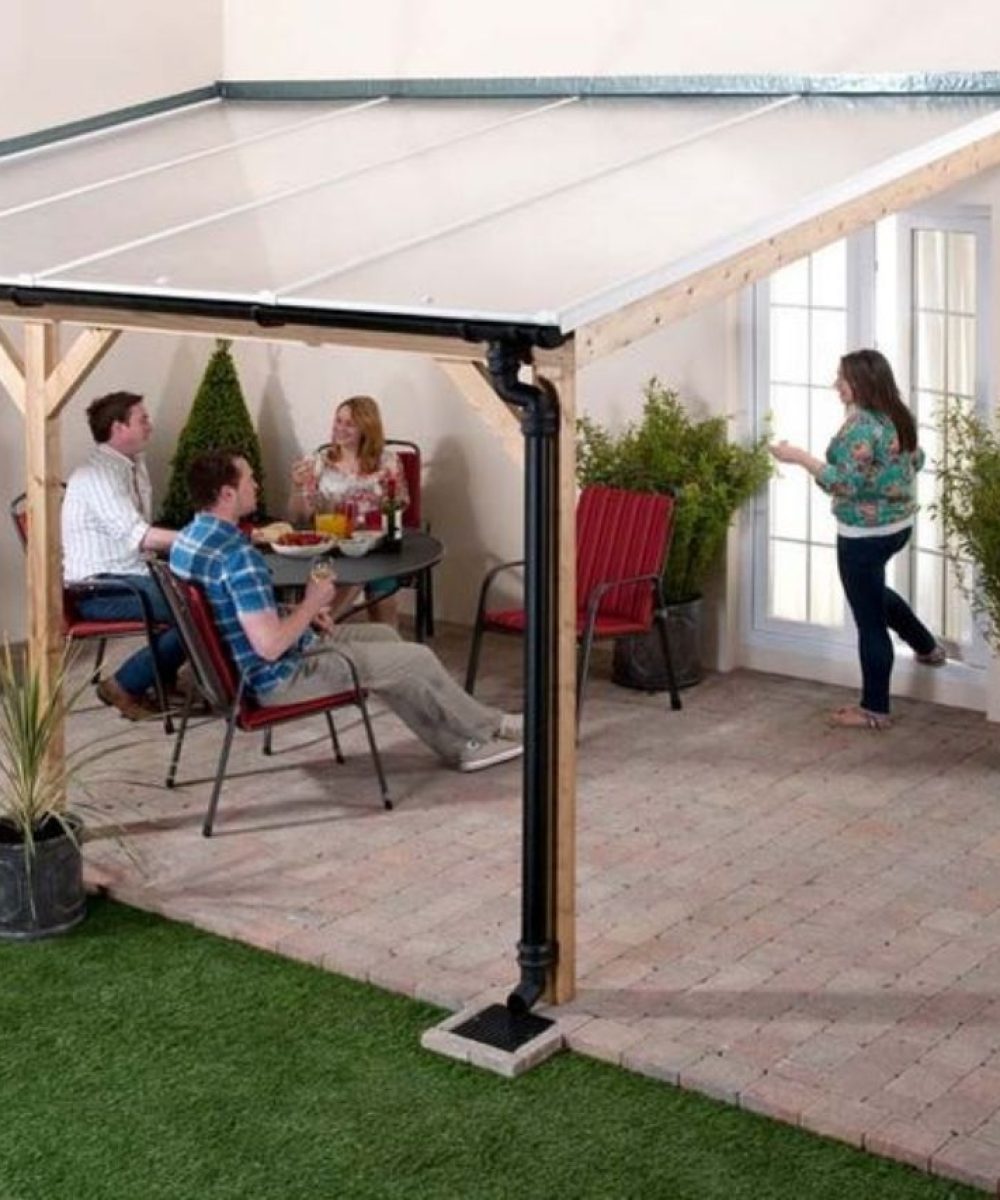
Whether you’re building a conservatory roof or covering a pergola, twinwall polycarbonate is a great option. It offers protection from the elements while still allowing for ample natural light. Its insulation properties also make it an excellent choice for year-round use, maintaining comfortable temperatures in both summer and winter.
Cycle Shelters
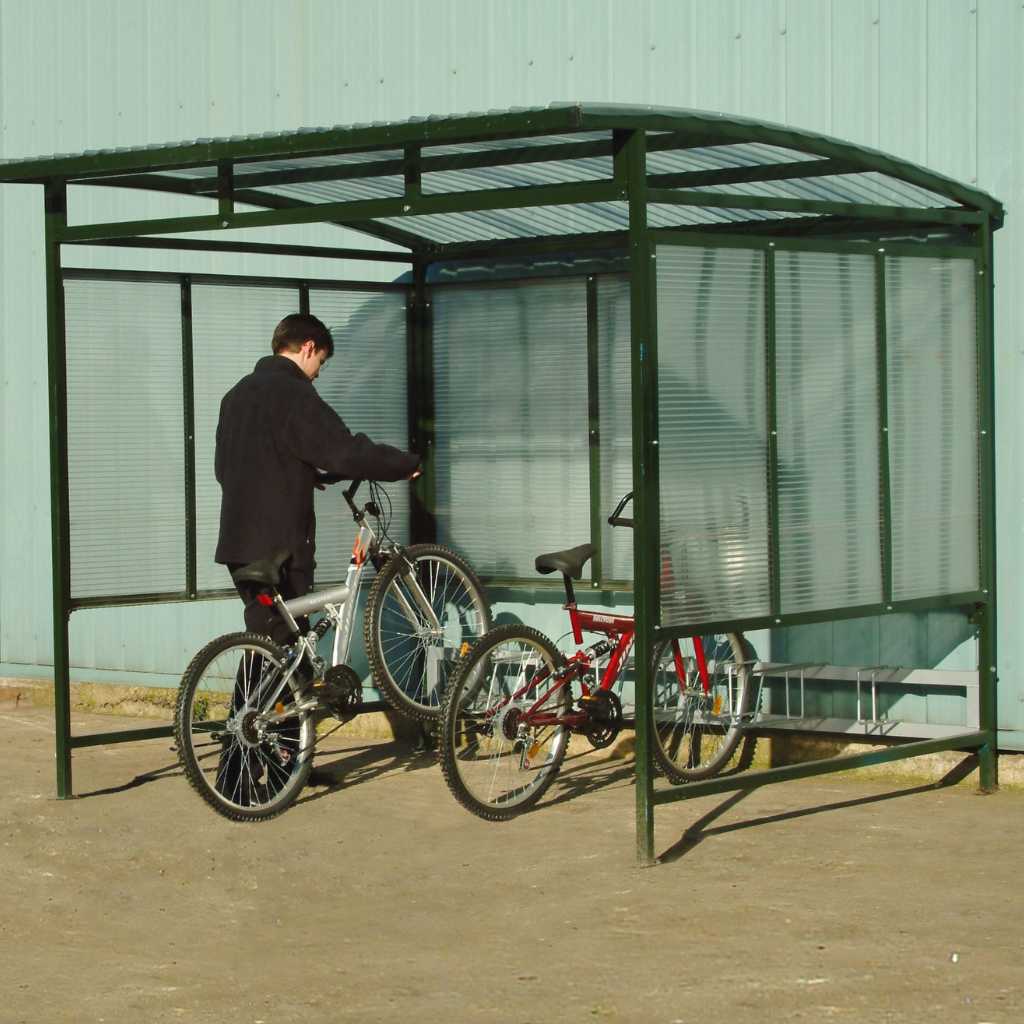
Protect bicycles from rain, wind and UV rays with twin wall polycarbonate cycle shelters. The material’s durability and impact resistance ensure the shelter remains intact in all weather conditions, while the lightweight nature makes it easy to install.
Installation and Maintenance Tips
When cutting twinwall polycarbonate sheets, it’s best to use a fine-toothed saw or a utility knife to ensure a clean edge. Secure the sheet properly to prevent vibrations, which can cause uneven cuts or damage the material. Taking the time to measure and mark your cuts accurately will help achieve a professional finish.
Drilling holes in twinwall polycarbonate requires a drill bit designed for plastics and a moderate speed setting. This prevents overheating, which can melt the material. Always drill holes slightly larger than the fasteners to allow for thermal expansion, which helps prevent buckling or warping over time.
For cleaning, use a mild soap solution with a soft microfibre cloth or sponge. Avoid abrasive cleaners or solvents, as they can scratch or weaken the surface. Regular cleaning helps maintain the clarity and appearance of the sheets, especially for applications like roofing and partitions.
Proper storage of twinwall polycarbonate sheets ensures their longevity and usability. Store them in a cool, dry place away from direct sunlight and chemicals. Laying the sheets flat rather than standing them upright prevents warping and maintains their structural integrity until they are ready for installation.
What Other Variations of Twinwall Polycarbonate Are There?
Twinwall polycarbonate comes in several variations, each designed to suit specific applications. Our different coloured twinwall polycarbonate sheets offer unique benefits, such as enhanced UV resistance, improved fire safety or aesthetic appeal. Whether it’s for construction, installations or decorative purposes, our 10mm and 16mm thick twinwall polycarbonate sheets are ideal for applications that require durability, insulation and weather resistance. Our variations include:
View Product
This product has multiple variants. The options may be chosen on the product page
Essential Accessories for Twinwall Polycarbonate Installation
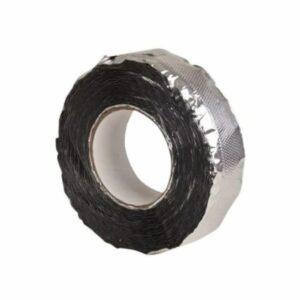
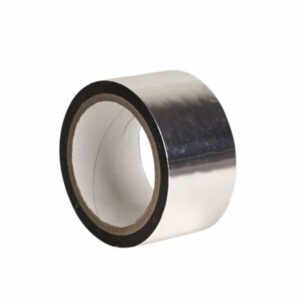
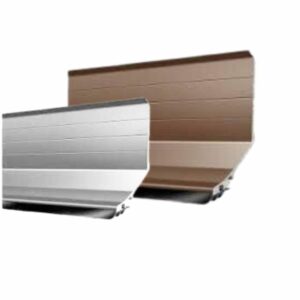
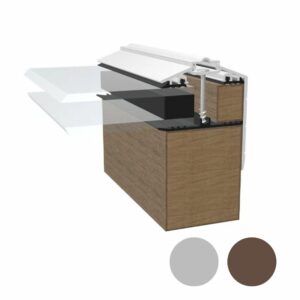
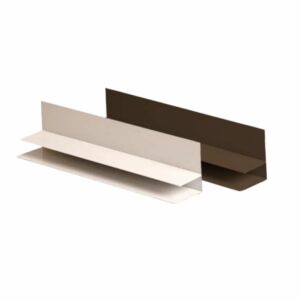
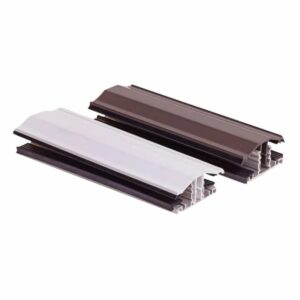
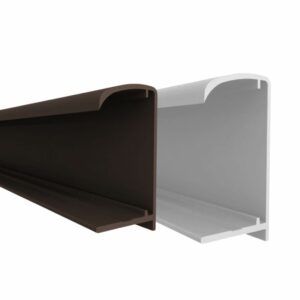
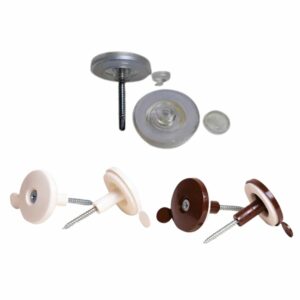
Installing twinwall polycarbonate requires the right accessories to ensure durability, weather resistance and a professional finish. From securing sheets in place to preventing dust and moisture buildup, these accessories enhance both performance and longevity.
Yes, but it’s important to use a drill bit designed for plastics and allow for thermal expansion by making the holes slightly larger than the fasteners.
Use a mild soap solution and a soft cloth or sponge to clean the surface. Avoid abrasive cleaners or harsh solvents, as they can scratch or weaken the material. Rinse with clean water and dry with a soft cloth to maintain clarity and longevity.
Up to 20% Off orders £500+ with custom quotes. Dismiss